Kelowna Expert Assessment for Hazardous Trees
There are a number of causes for trees to experience a decline in health, and it’s often a combination of them that contribute to an early demise. Adverse or extreme weather conditions can weaken a tree’s vitality to a point where it is unable to naturally defend itself against other factors like pests.
If a tree is attacked by a biological factor such as a wood boring insect, it will rapidly produce sap in an attempt to block or prevent the insect from entering the tree. If the tree is in a weakened state from a harsh winter, it may not be strong enough to adequately defend itself.
Another example is when fires engulf or surround a tree, but do not reach the upper canopy, they can cinch the smaller root tips which help anchor the tree in place. The tree may then be more susceptible to failure in windy conditions.
Why Dangerous Tree Removal Is Important
Identifying Tree Hazards Before They Become a Risk
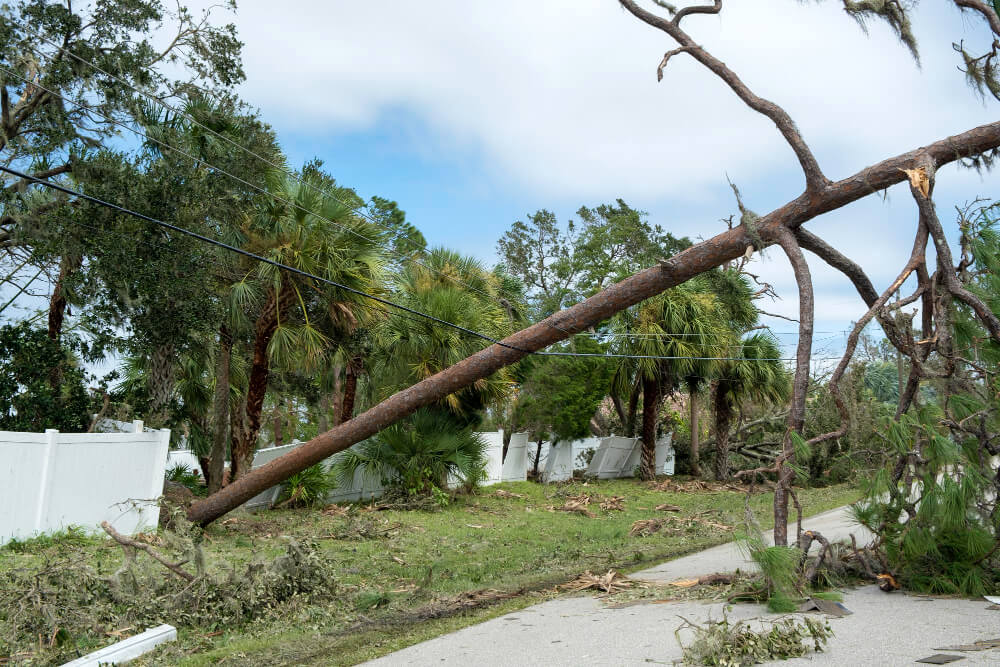
Dangerous trees can pose serious risks to homes, vehicles, power lines, and people. When a tree becomes unstable, professional removal is often the safest solution.
Our experienced team carefully assesses each situation and uses specialized equipment to remove hazardous trees safely while protecting nearby structures and landscaping.
After the removal, we clear debris and ensure your property is safe, clean, and accessible. Professional dangerous tree assessment and removal helps protect both your property and the people around it.
Our Dangerous Tree Services Include
Dangerous Tree Assessment
Professional evaluation of trees that show signs of instability, disease, or structural damage to determine potential safety risks.
Hazardous Tree Removal
Safe and controlled removal of trees that pose a danger to homes, vehicles, power lines, or nearby structures.

Dangerous Branch Removal
Removal of large, dead, or hanging branches that could fall and cause injury or property damage.
Tree Stabilization
Securing weakened or leaning trees using professional support techniques to reduce the risk of collapse when possible.
Debris Removal & Site Cleanup
Complete cleanup of branches, logs, and debris after tree removal to keep your property safe and tidy.
Kelowna Residential Dangerous Tree Services
Homeowners rely on our experienced team for professional dangerous tree assessment and removal when safety risks appear on their property. Whether a tree has become unstable after a storm, large branches are threatening your home, or a tree is leaning dangerously, we respond quickly to evaluate the situation.
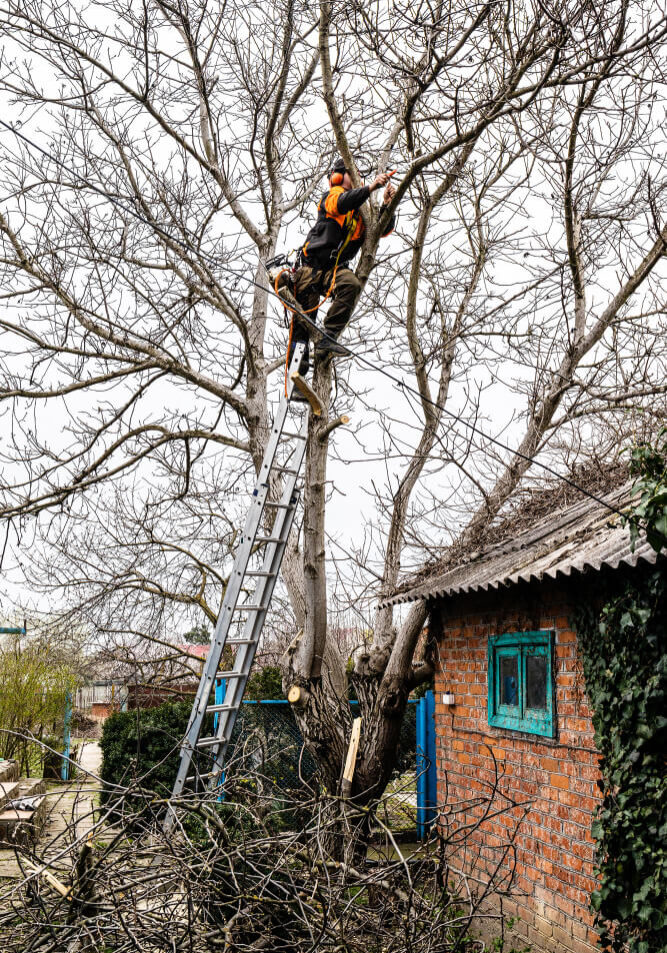
Our certified arborists carefully inspect the tree’s condition and determine the safest solution. When removal is necessary, we use professional equipment and safe techniques to protect your home, driveway, lawn, and surrounding landscape while removing hazardous trees efficiently.
Kelowna Commercial Dangerous Tree Services
We provide professional dangerous tree assessment and removal for commercial properties and large sites, including:
• Property management companies
• Commercial buildings and business parks
• Construction and development sites
• Municipal and public properties
• Schools, parks, and recreational areas
Our team works efficiently to identify hazardous trees, remove safety risks, and clear debris while minimizing disruption to your daily operations. With the right equipment and expertise, we help keep your commercial property safe and accessible.
Why Choose Ace Tree Services?
Choosing Ace Tree Services for your tree needs means putting safety of your home, family and property first.
Chase has dedicated more than 15 years to being a certified arborist. Ensuring the job is done right without damage or injury is the absolute top priority of every job. And Chase has performed that task to perfection to date.
When you're looking for a fully insured professional for tree services in the Okanagan Valley, you want Chase and Ace Tree Services.

15
Years of experience
1000+
Trees Climbed (and removed)
1
Bear Removed from a Tree
Get a Professional Dangerous Tree Assessment Today
It is important to occasionally inspect your trees for any signs of health decline, and to be proactive in applying treatments before additional problems arise. Hazardous trees are not always dead trees. Broken branches can be a safety concern, especially in urban settings where buildings, walkways or parking areas are nearby. Other hazards are not as easy to identify, and some are not visible at all.
Construction or excavation can sever or compromise roots which, as mentioned above, are responsible for anchorage. Changes in neighbouring trees may also present hazards that are not easy to identify.
If larger trees are removed nearby, your tree may be exposed to winds that it was previously shielded from. Trees will naturally build a rigidity against wind, but if they experience heavy winds from a direction or angle they have not built that rigidity to, they may not have the internal strength to resist it.
What Our Customers Say


Frequently Asked Questions
Some signs are obvious, but many are not.
Clear warning signs include large dead branches, visible cracks in the trunk, a tree that has recently started leaning, exposed or damaged roots, or sections of the canopy dying back. Trees that have been damaged by wind, heavy snow, or construction are also higher risk.
However, many structural issues develop slowly and aren’t easy to spot without experience. Weak branch attachments, internal decay, poor growth patterns, or imbalanced weight distribution can all lead to failure even when the tree still looks “healthy” from a distance.
If something about the tree doesn’t look right, or it’s positioned where failure would cause damage, it’s worth having it assessed before it becomes an emergency.